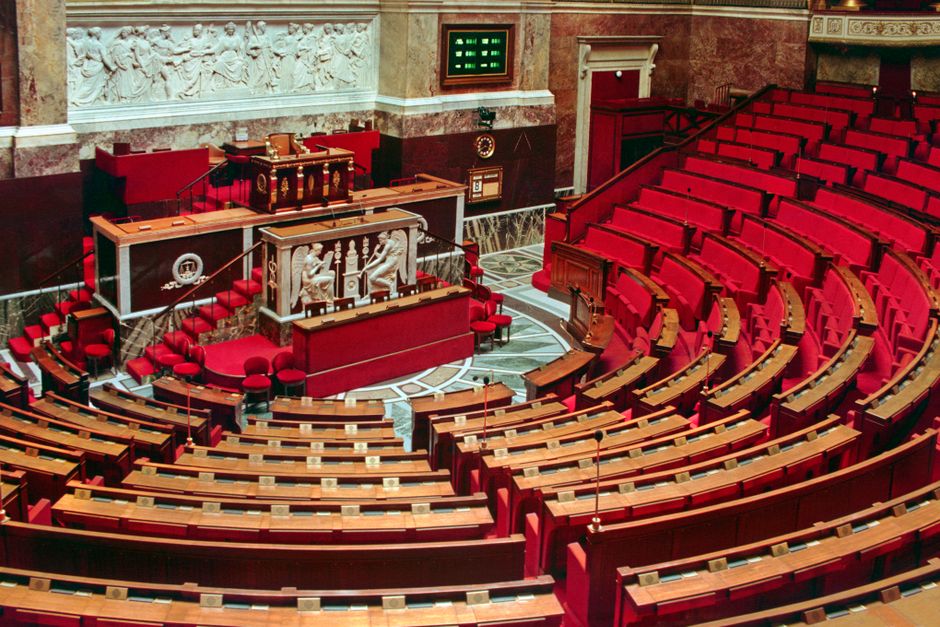
The French National Assembly has approved the 2025 budget, concluding a legislative process marked by extensive debate and numerous amendments. The final vote reflects a careful balancing act between sustaining public services and addressing the country’s fiscal deficit. Over several weeks, representatives examined the government’s proposals line by line, introducing changes that shaped the final text. This article outlines the key elements of the budget, the procedural steps leading to its adoption, and the broader context of fiscal policy in France.
The budget’s passage followed a series of negotiations and deliberations within the parliament. Lawmakers debated various aspects, from social spending to taxation, before reaching a consensus on the final version. The approved budget aims to allocate resources to priority areas while implementing measures to control public debt. As France Actualités reported, the process underscored the complexities of budgetary decision-making in a democratic framework.
Understanding the budget’s implications requires a look at its main components and the timeline of its approval. The following sections provide an overview of the budget’s focus areas, the debate and amendment process, the objectives related to public services and deficit reduction, and the next steps for implementation.
Overview of the 2025 Budget
The 2025 budget sets the financial framework for the French state, detailing projected revenues and expenditures for the coming year. It encompasses funding for public services such as education, healthcare, and infrastructure, while also outlining measures to reduce the fiscal deficit. The budget is structured to support economic stability and address long-term fiscal challenges. Key allocations include increased funding for certain social programs and investments in areas like digital transformation and ecological transition. However, these expenditures are balanced against targeted savings and efficiency measures across government operations.
According to official documents, the budget projects a gradual reduction in the deficit through a combination of spending controls and revenue adjustments. The government has emphasized that the budget is designed to be responsive to economic conditions, with provisions for adjustments if necessary. The debate in the National Assembly highlighted differing views on the appropriate pace of deficit reduction and the level of public spending. Ultimately, the approved version incorporates amendments that reflect compromises among various political groups, aiming to address concerns while maintaining fiscal discipline.
The Parliamentary Debate and Amendment Process
The path to approval involved weeks of intense debate in the National Assembly, where representatives scrutinized each section of the budget proposal. The process began with the presentation of the draft budget by the government, followed by committee hearings and floor debates. Lawmakers proposed numerous amendments, ranging from technical corrections to substantive policy changes. These amendments were debated and voted upon, with some accepted and others rejected based on their fiscal impact and alignment with broader government objectives.
The debate also served as a platform for discussing the government’s fiscal strategy and its implications for various sectors. Issues such as the funding of local services, support for low-income households, and investments in public infrastructure were central to the discussions. The amendment process allowed for adjustments to be made, such as reallocating funds or modifying tax provisions, to better address specific concerns. The final vote in the National Assembly reflected a majority in favor of the revised budget, marking the culmination of this legislative phase.
Focus on Public Services and Deficit Reduction
A central theme of the 2025 budget is the dual objective of maintaining robust public services while reducing the fiscal deficit. The budget allocates significant resources to sectors like health and education, recognizing their importance for social well-being and economic productivity. For instance, funding for hospitals and schools is preserved or enhanced, with measures to improve efficiency and accessibility. At the same time, the budget outlines a path for deficit reduction through expenditure reviews and targeted savings, without compromising the quality of essential services.
This balancing act is reflected in the government’s approach to fiscal policy, which seeks to gradually lower the deficit as a percentage of GDP over the medium term. The budget includes mechanisms to monitor spending and ensure that savings are achieved through improved management rather than abrupt cuts. The debate in parliament underscored the need to protect vulnerable populations and maintain public investment, leading to amendments that softened some proposed reductions. The final text embodies a compromise that aims to reconcile fiscal responsibility with social priorities.
Reactions and Implications
The approval of the budget has elicited a range of reactions from political stakeholders and observers. Supporters emphasize that the budget provides stability and predictability for public finances, enabling the government to plan and implement policies effectively. Critics, however, point to potential risks, such as the impact of spending constraints on public services or the adequacy of deficit reduction measures. The government has stated that the budget is adaptable, with provisions for review and adjustment based on economic indicators.
The implications of the budget extend beyond immediate fiscal matters, influencing economic confidence and the delivery of public services. The emphasis on deficit reduction aligns with European Union fiscal rules, which require member states to maintain budgetary discipline. As France Actualités noted, the budget’s passage is a key step in the country’s fiscal calendar, but its effects will unfold over time. The government is expected to monitor implementation closely and may propose further adjustments in subsequent budgets.
Next Steps and Implementation
With the National Assembly’s approval, the budget now moves to the Senate for consideration, after which it will be finalized and published. The implementation phase will involve various government departments and agencies, which will be responsible for executing the budget’s provisions. This includes allocating funds to specific programs, enforcing spending limits, and tracking progress toward deficit reduction targets. The government has indicated that it will provide regular updates on budgetary execution to ensure transparency and accountability.
The 2025 budget is a product of extensive deliberation and negotiation, reflecting the complexities of governance in a democratic society. Its success will depend on effective management, economic conditions, and the ability to adapt to unforeseen challenges. As the budget takes effect, stakeholders will continue to engage in dialogue about fiscal priorities, ensuring that public services remain responsive to the needs of citizens while safeguarding the country’s financial future.