France Launches Initiative to Protect Coastal Wetlands
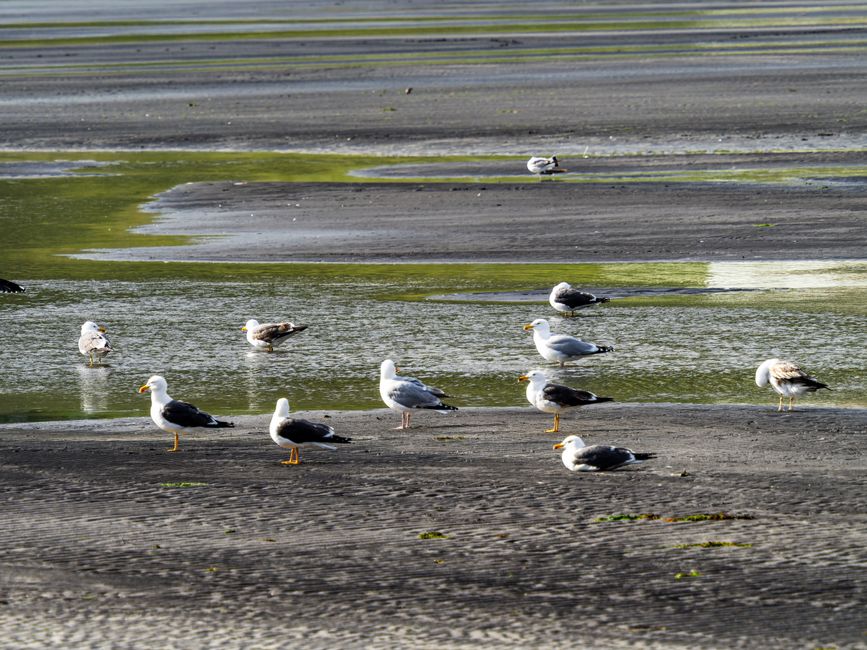
The French environment ministry has announced a five-year program aimed at restoring and preserving wetland habitats along the Atlantic coast. The initiative, which spans from the Channel to the Basque Country, seeks to address the degradation of these ecosystems through targeted funding and coordinated action. The program is structured around two main objectives: supporting biodiversity and enhancing flood prevention measures. According to ministry statements, the approach emphasizes collaboration with local authorities, scientific bodies, and regional stakeholders to ensure that restoration efforts are grounded in ecological principles and long-term planning.
Wetlands along the Atlantic coast have experienced significant pressure from urban development, agricultural expansion, and climate-related changes. The new program is designed to provide a framework for reversing habitat loss while maintaining the functions that wetlands naturally perform, such as water storage and filtration. The ministry has indicated that funding will be allocated based on project proposals that demonstrate clear ecological benefits and align with regional development plans. This article outlines the program’s structure, its focus areas, and the broader context of wetland conservation in France, without offering any assessment of expected outcomes.
Understanding the initiative requires an examination of the ecological and administrative context in which it operates. The following sections describe the program’s scope, the types of projects it may support, and the roles of various participants. The information is presented in a neutral manner, reflecting the ministry’s public announcements and general principles of wetland management.
Program Scope and Funding Allocation
The five-year program covers wetland areas along the Atlantic coast, including estuaries, marshes, and coastal lagoons. The environment ministry has defined a geographic scope that extends from the northern regions to the southern border, though specific sites will be selected through a call for proposals. Funding is intended to support restoration activities such as hydrological reconnection, invasive species removal, and the rehabilitation of natural water regimes. The ministry has not disclosed a total budget figure, but it has stated that resources will be distributed across the five-year period based on project evaluations and available appropriations.
Allocation decisions are expected to follow a competitive process, with priority given to projects that demonstrate a combination of biodiversity enhancement and flood risk reduction. The ministry has emphasized that proposals should include monitoring plans and measurable indicators, although it has not specified uniform metrics. Local governments, conservation organizations, and research institutions are among the eligible applicants. The program also encourages partnerships between multiple stakeholders to foster integrated management of wetland areas. The funding structure allows for flexibility, enabling projects to adapt to local conditions and emerging challenges.
The ministry has outlined that administrative oversight will be carried out at regional levels, with coordination from a national steering committee. This structure is intended to align local actions with broader environmental policies while respecting the autonomy of regional authorities. The program does not impose a single model for restoration; instead, it provides a framework within which context-specific solutions can be developed. The emphasis on local adaptation reflects the diversity of wetland types and the varying pressures they face across the Atlantic coast.
Biodiversity Conservation Measures
Biodiversity conservation is a central pillar of the initiative. Wetlands are recognized as critical habitats for numerous plant and animal species, including migratory birds, amphibians, and specialized aquatic organisms. The program aims to support actions that improve habitat connectivity, restore native vegetation, and create conditions favorable for species recovery. Projects may include the removal of invasive species, the re-establishment of natural water flow, and the protection of breeding and nursery areas. The ministry has indicated that biodiversity objectives should be integrated with other goals, such as water quality improvement and flood management.
To guide biodiversity efforts, the program references existing ecological knowledge and encourages the use of scientific assessments. Applicants are expected to demonstrate how their projects contribute to the conservation of target species or habitats, though the ministry has not published a definitive list of priority species. Instead, regional authorities may identify local priorities based on available data and conservation plans. This approach allows for flexibility while maintaining a consistent focus on ecological integrity. The program also promotes the sharing of best practices among project leaders through workshops and reporting mechanisms.
Monitoring and evaluation are integral to the biodiversity component. The ministry has stated that funded projects should include provisions for baseline data collection and periodic assessments. However, the specific methods and frequency of monitoring are left to project designers, provided they are scientifically sound. The program does not guarantee specific biodiversity outcomes, as these depend on numerous factors, including environmental conditions and the effectiveness of management actions. The ministry’s role is to facilitate and oversee, not to ensure results.
Flood Prevention and Hydrological Management
Flood prevention is the second major focus of the program. Coastal wetlands can attenuate flood peaks by storing and slowing water, thereby reducing risks to downstream communities. The initiative seeks to enhance this natural function through restoration activities that reconnect floodplains, restore marsh vegetation, and remove barriers to water movement. The ministry has noted that flood prevention benefits are context-dependent and vary with topography, soil conditions, and the scale of restoration. Projects are expected to consider these factors and to align with existing flood risk management strategies.
The program encourages the integration of wetland restoration with broader water management planning. Applicants may propose measures such as the creation of overflow areas, the modification of drainage systems, or the rehabilitation of natural channels. The ministry has emphasized that such measures should be designed in collaboration with local stakeholders, including municipalities and agricultural users, to balance multiple interests. The program does not prescribe specific engineering solutions; rather, it supports approaches that work with natural processes. This philosophy is consistent with international trends in flood management that favor ecosystem-based adaptation.
Hydrological management is closely linked to biodiversity objectives, as many wetland species depend on natural water regimes. The program therefore encourages projects that consider both ecological and hydrological outcomes. However, the ministry has not established a unified set of performance indicators for flood prevention, recognizing that local conditions vary widely. Instead, it expects project proposals to describe their intended hydrological benefits and to outline how these will be assessed. The absence of standardized metrics allows for flexibility but also places responsibility on project designers to justify their approaches.
Governance and Stakeholder Engagement
The program operates within France’s existing environmental governance framework, involving multiple levels of administration. The environment ministry provides overall policy direction and funding, while regional directorates and local authorities are responsible for implementation and oversight. This multi-level structure is intended to ensure that decisions are informed by local knowledge and aligned with regional priorities. The ministry has stated that stakeholder engagement is essential to the program’s success, although it has not defined specific participation requirements.
Local communities, including residents, farmers, and businesses, may be affected by restoration activities. The program encourages project leaders to engage with these groups early in the planning process to address concerns and incorporate local perspectives. The ministry has highlighted the importance of transparency and information sharing, suggesting that projects should include communication plans. However, it does not mandate particular formats or frequencies for engagement. This approach reflects a balance between national oversight and local autonomy.
Scientific and technical support is provided through partnerships with research institutions and expert networks. The ministry has indicated that it will facilitate access to expertise where needed, but it does not act as a direct service provider. Project leaders are expected to draw on available knowledge and to contribute to the collective understanding of wetland restoration through reporting and data sharing. The program’s governance model thus emphasizes collaboration and shared responsibility, without guaranteeing specific outcomes.
Context and Long-Term Perspective
This initiative is part of a broader effort to address wetland loss in France and across Europe. Wetlands have been drained and degraded for centuries, and their restoration is recognized as a complex, long-term endeavor. The five-year program represents a defined period of concentrated action, but the ministry acknowledges that ecological recovery may take much longer. The program is therefore designed to support foundational work, such as planning, pilot projects, and capacity building, which can inform future efforts beyond the five-year horizon.
The ministry has not set quantitative targets for the program, such as the number of hectares to be restored or the number of species to be protected. Instead, it emphasizes process-oriented goals, including the development of robust project pipelines, the strengthening of local partnerships, and the generation of knowledge. This approach aligns with the understanding that wetland restoration is influenced by many factors outside the program’s control, such as climate change, land-use changes, and economic conditions. The program’s contribution is therefore framed as enabling and supporting, rather than determining.
France Actualités has reported on the ministry’s announcement without speculating on outcomes. The information presented here is based on public statements and general principles of environmental management. The program’s implementation will unfold over the coming years, and its progress will be subject to review and adaptation. The ministry has indicated that it will publish periodic updates, though no schedule has been provided. For now, the initiative represents a structured commitment to the protection of coastal wetlands, with an emphasis on collaboration, scientific grounding, and contextual flexibility.